Detroit: A Delicious Dive into Food, Architecture and Innovation
- Lisa Hanly

- Aug 13, 2025
- 6 min read
Updated: Aug 26, 2025


“So where are you two headed next on your adventure?”
“Detroit.”
“Why?!”
This conversation played out repeatedly with our friends. While St. Louisans love to drive to the shores of Michigan for vacation, it seemed everyone we talked to was shocked we would go to Detroit.
Detroit reminded me a bit of our often overlooked city. Much like St. Louis, Detroit suffers from image problems, but our visit made it easy to see why it was on the 2025 New York Times list of places to visit. Detroit is filled with architectural gems, great food, friendly people and interesting museums.
The Innovation: Detroit's Art and Architecture
In a historic city like Detroit, remarkable buildings stand as testaments to its rich past—and fortunately, many have been thoughtfully recognized and preserved. We mixed visits to museums and buildings for a peek into Detroit’s history (where the year 1928 kept coming up). Here were our highlights:


A vivid symbol of Detroit’s renaissance is Michigan Central Station. Built in 1913, this Beaux-Arts train depot was left to decay for more than 30 years. With Ford Motor Company’s $950 million revitalization project, this 30-acre complex is now a start-up tech hub and a shining jewel with much more development to come. Tours sell out quickly as both local visitors and architecture lovers are thrilled to finally get a look at a long and expensive restoration. The tour covered the beginnings of the Gilded Age and the glamour of train travel as well as the reality of the demise of the station when it became the norm for individuals to own cars.


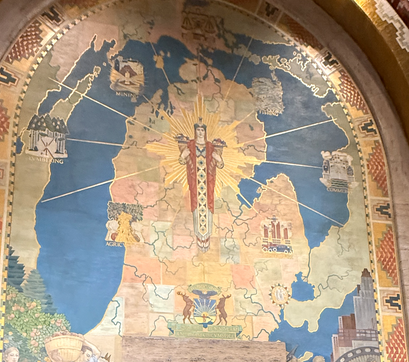


The Guardian Building is a 40-story landmark skyscraper located downtown and was completed in 1928. Our guided tour took us from top to bottom, including down into the bank vault and up into the tower with sweeping views of the city and Canada across the water. It is a National Historic Landmark and considered to be one of the best examples of Art Deco architecture. The lobby was designed to look like an Native American chief’s headdress and the colors, murals and craftsmanship are stunning. The Tiffany clock in the lobby is one of only two made in this style.


Also built in 1928, the Fisher Building radiates Art Deco elegance and is a longtime symbol of Detroit. It was commissioned by the Fisher Brothers who developed the first closed automobile. Designed by legendary architect Albert Kahn, the building features ornate details, gold leaf and expensive embellishments, and it is considered to be his greatest masterpiece. The mosaics are dazzling. The building is the home for retail and office space, as well as the Fisher Theater which hosts Broadway and touring shows.
The Henry Ford Museum of American Innovation is a showcase of Ford’s expansive collection of items relating to American exceptionalism and history. I don’t consider myself a car person, but I thoroughly enjoyed all of the cars on display—from early steam-powered carriages to the race cars of tomorrow. Some of the items in the museum are a little morbid, such as President Lincoln’s actual chair from Ford’s Theater and the car President Kennedy was riding in when he was assassinated, but everything reflects a moment in American history.





I especially enjoyed the 1980s technology display (ha-felt like yesterday), Thomas Edison’s last breath captured in a test tube (yes, I’m serious) and the actual bus Rosa Parks rode in when she refused to give up her seat. The American furniture display, especially on Charles and Ray Eames and their iconic pieces, plus a tour of the one and only aluminum circular Dymaxion "home of the future" in existence were so interesting.

The Detroit Institute of Art has a diverse collection of more than 65,000 pieces. It is especially known for Mexican artist Diego Rivera’s Detroit Industry, which is a fresco painted on all four walls of a large, skylit room in the center of the museum. We were lucky to talk to a docent who knew the Rivera mural inside and out, and he told us all about the history and hidden surprises in Rivera's masterpiece.


Other significant works include The Wedding Dance by Pieter Bruegel the Elder, painted in 1566 and newer classics like Kehinde Wiley’s 2007 Officer of the Hussars. There is a lovely cafe in the middle of the museum to relax and have a drink.


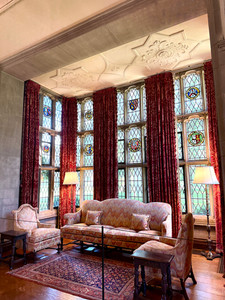

The Ford House was Edsel and Ethel Ford’s residence in Grosse Pointe Shores. It is a National Historic Landmark and was built in 1928 overlooking Lake St. Clair. The ability to wander on this gorgeous estate gives you a glimpse into how the ultra wealthy lived. Docents were nearby to answer any questions about the Ford family and it was fun to stroll along the shoreline, peruse another collection of historic cars and daydream about what it would be like to have a pool house, a miniature playhouse for the kids and a full-time staff to manage all of these buildings.
The Food
Always being food focused, no surprise, I hope: we planned our Midtown Detroit stay around the ability to walk to some of the best restaurants in the area. We skipped the deep dish pizza and famous hot dogs and concentrated on the gourmet options that were minutes from our rental, and there were plenty to choose from. Here are our favorites:


SheWolf Pastificio and Bar - From the outside, this “modern Roman” restaurant looks like a box—but inside, it is a lively party with great people watching (the chef and his family having dinner while their baby was being passed around by the staff). We started with the focaccia served with a gorgonzola butter that we forced ourselves to stop eating so we would have room for the upcoming courses. A light beet salad with pistachios and endive was a nice balance to the richness. Next up was squid ink bucatini, packed with lobster and spicy tomato sauce and covered with a crunchy tarragon gremolata. After watching multiple tables enjoying the gelato, I couldn’t resist, so we shared the chocolate and pistachio twist of soft serve gelato with a drizzle of olive oil, sea salt, toasted pistachios and chocolate cookie crumbles. Nothing better than a salty sweet dessert! In addition to great food, part of the reason it was my favorite meal was the wonderful service (thanks, Heather!) and the fun of watching the pasta making in the kitchen.

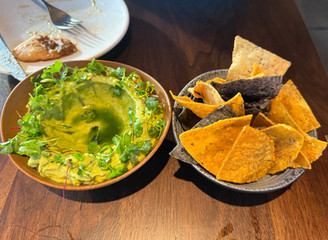


Vecino - The vibe of this high-end Mexican restaurant is energetic with a cool mix of natural elements including hanging Spanish moss, sultry moody lighting and dramatic black curtains. We shared a gorgeous whole fish served with salsa verde and salsa roja and used the delicious rice to soak up every bite of the tangy sauces that had just the right amount of heat and zing. The show stopper was the molote masa – a corn pancake stuffed with creamy white melted oaxaca cheese. In 2024, Vecino was voted one of the best new restaurants in the US by Esquire magazine and we could see and taste why.


Selden Standard - The locally focused menu at Selden Standard offers an everchanging menu of fresh seasonal choices. We shared a fabulous citrusy salad with hazelnuts and shaved cheese and fennel, roasted squash with tahini and pistachio dukkah and gnocchi with pulled chicken in a tomato basil broth. The fruit crumble in a little jar was charmingly presented with layers of berries, crunchy sweet crusty bits and whipped cream.
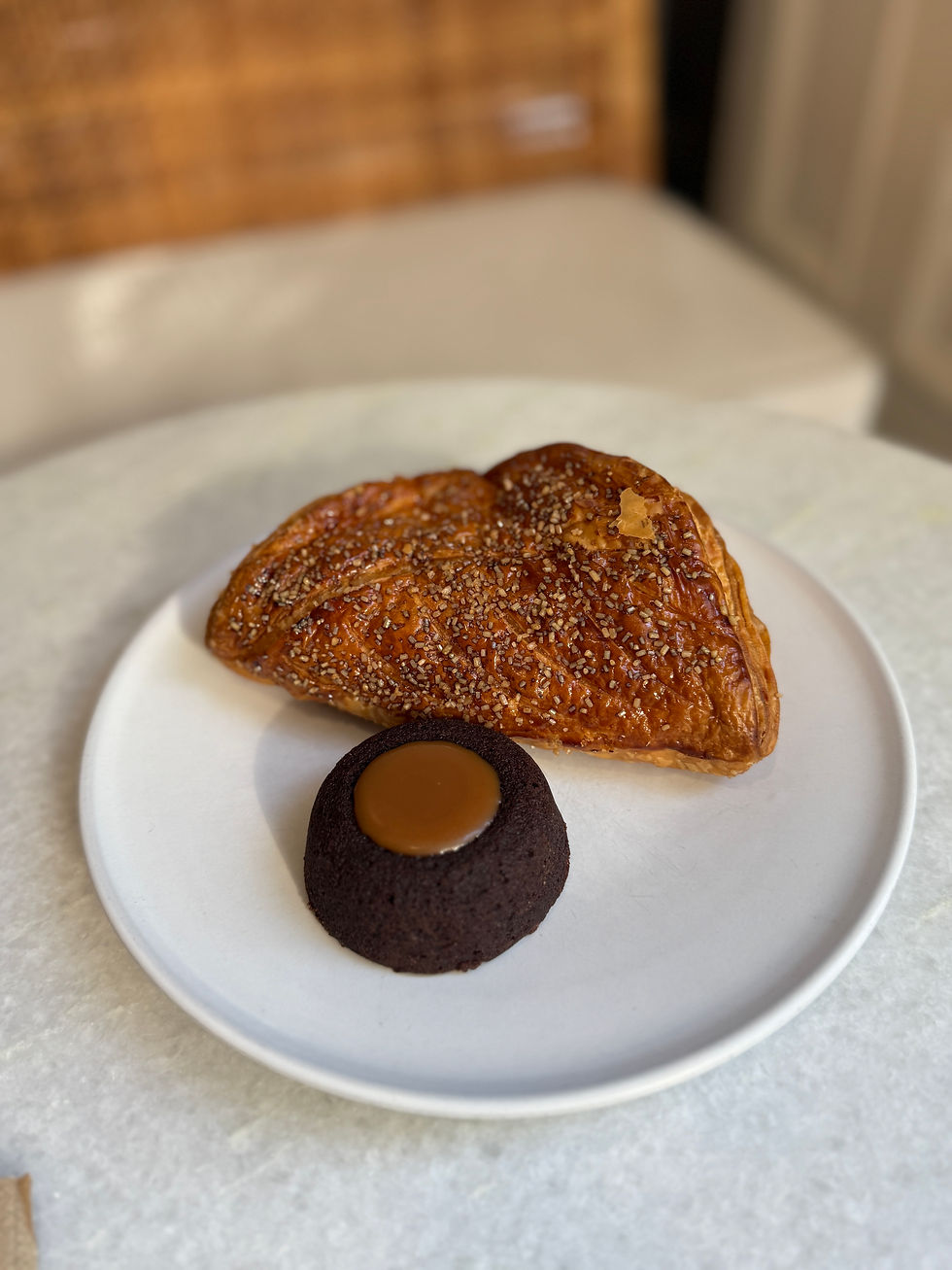
Warda Patisserie - This James Beard award winning French bakery lived up to the hype. We loved the apple chausson (imagine a croissant filled with almond frangipane and an apple compote) as well as a salted caramel chocolate financier. The apple pastry was the best pastry I have ever had outside of France and I can’t believe I’m saying that about something that was not chocolate.
Habib’s - Dearborn, a suburb near the Henry Ford Museum, is known for its Arab-American community and terrific food options. At Habib’s, we enjoyed a chicken shawarma wrap with a zippy white garlic dipping sauce and a tasty fattoush salad made of tomatoes, cucumbers and crispy pita strips fried in olive oil. The salad was generous enough it could have been lunch on its own.
Everywhere we went, we felt Midwest friendliness in Detroit. From the museum docents to the bartenders to the tour guides, we felt welcomed. So I think the real answer to the repeated question is, “Why haven’t you gone to Detroit yet?”
Travel Tip: We purposely stayed in Midtown for the restaurants but also to be walking distance from the Q-Line, a free train that runs north and south. It made it very easy to be car-free when we visited downtown and several of the buildings and museums.


Comments